
WHAT IS HOMELESSNESS?
Not all people facing homelessness encounter the same challenges and some people facing homelessness are not as visible as others. It’s about more than sleeping rough on the streets.
Homelessness is a solvable problem – but it’s also a growing problem that can be experienced in many ways and often hidden from society, but it cannot be ignored any longer. It’s devastating, dangerous and isolating. Everyone needs a home of their own to live a healthy life in which they can realise their potential.
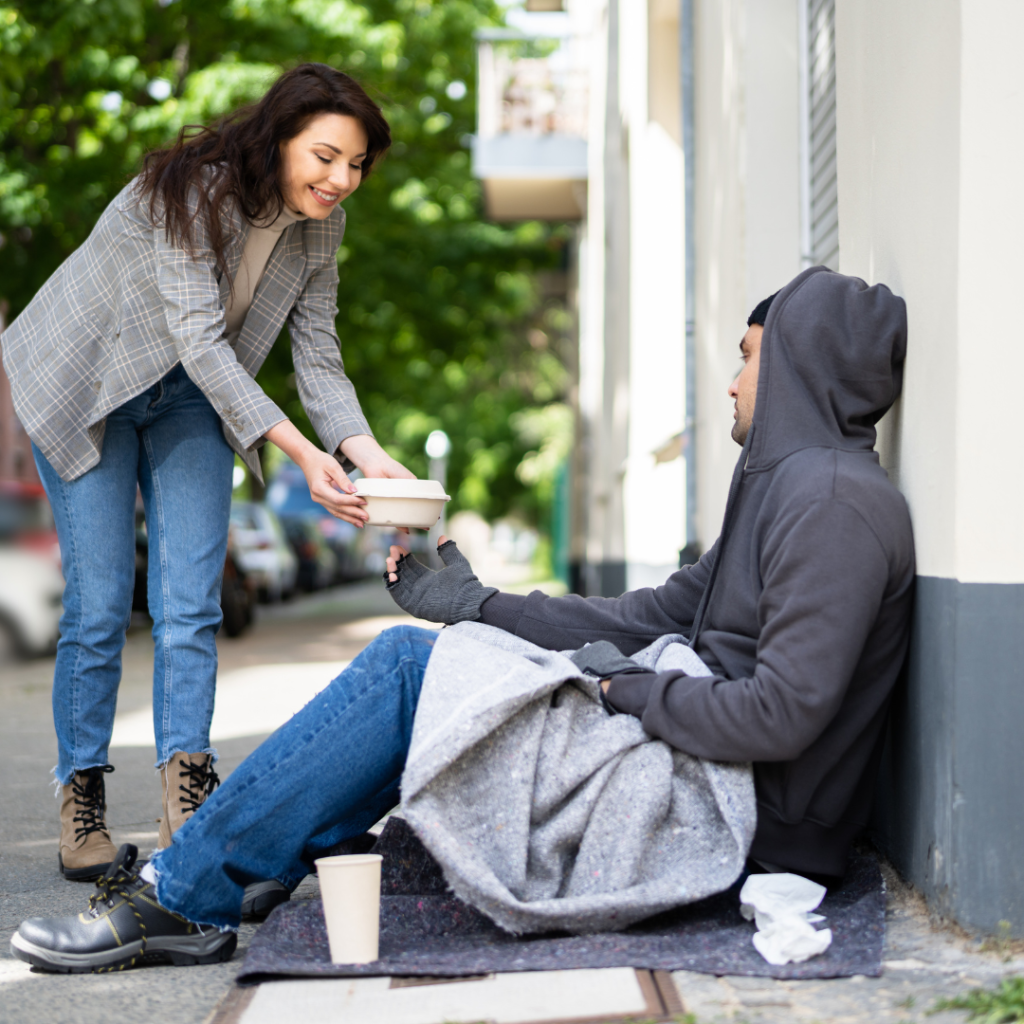
Being Homeless
Being homeless is not necessarily sleeping rough but being in unstable accommodation such as sofa-surfing, a hostel, B&B, or another type of temporary home
Sleeping rough
It is the most visible, extreme, and damaging form of homelessness.
People who are sleeping rough will sometimes sleep outside on the streets or in buildings not designed for human living/ habitation such as stairwells, stations, cars, in doorways, parks or bus shelters. People who sleep rough often have complex physical and mental health needs; they may be struggling with addiction and are often very vulnerable.
It is a very harsh way of life: it is difficult, isolating, at times very intimidating and the majority find it very hard to get out of.
Rough sleeping accounts for less than 1% of homelessness, not including the single homeless people living in hostels, shelters and temporary supported accommodation.
In 2018, the average life expectancy of a rough sleeper was just 44 years for men and 42 years for women
Rough sleeping count
Every year the government requires every local authority to count how many people are sleeping rough on a particular night.
Home Links showed that 3069 people were estimated to be sleeping rough on a typical night. Data such as this is most useful for showing trends about increases and decreases each year.
Sofa surfing
Moving between friends’ or relatives’ houses, better known as the term “sofa-surfing” with no permanent/long-term accommodation is still a form of homelessness and can also be known as “hidden homelessness.”
Sofa-surfing and rough-sleeping is becoming increasingly more common and at this rate is bound to be the norm for many vulnerable young people who find themselves without a safe place to stay.
What does hidden homelessness?
‘Hidden homeless’ households – people who may be considered homeless, but their situation is not ‘visible’ either on the streets or in official statistics.
Many people who become homeless aren’t counted in official figures and will likely not ask for, or be entitled to, help with housing, and therefore won’t receive the support they desperately need and deserve.
Many choose to “sofa-surf” with family/friends, or sleep out of sight in hostels, squats, public transport or other insecure and unsuitable accommodation.
Hidden homelessness among young people.
Young people are always experiencing homelessness but hiding from society and are usually living in temporary or unsafe accommodation.
The young people we support rarely have a network to turn to for help, nor do they have the life skills or vocabulary needed to reach out to ask for the right support. Many are embarrassed and ashamed of their situation.
Hidden homelessness can leave young people vulnerable to mistreatment and exploitation.
The Crisis Monitor attempts to estimate the number of hidden homeless; two groups that are of particular note are women and rural homeless.
How many people in the UK are homeless?
The answer to this question is not straight forward; the numbers of people currently homeless or at risk of homelessness are constantly changing and it is important to be clear about what definition of homelessness is being used.
The latest data shows 2,447 people were estimated to be sleeping rough on a single night in March 2023, these figures show a rise of 342 people or 16% since the previous quarter in December 2022 and a rise of 641 people or 35% since the same time in 2022.
In the year 2019-20 288,470 households were owed assistance from councils in England to prevent or relieve homelessness.
In 2020 there were an estimated 227,000 households experiencing the worst forms of homelessness in Great Britain – including people having to sofa surf, sleep rough, or stay in unsuitable accommodation like B&Bs.
It is worth noting that in March 2020 when it came to getting everyone inside shelter because of COVID, 33,000 people were identified.
Often people without homes are hidden from regular data because they are sofa surfing or sleeping in cars.
In December 2019 Shelter estimated that 280,000 people were homeless in England. In 2022 in London for the first time a separate census was carries out of women sleeping rough.
The average age of death for people experiencing homelessness is 46 for men and 42 for women and people sleeping on the street are almost 17 times more likely to have been victims of violence.
Shelter’s detailed analysis of official homelessness figures and responses to a Freedom of Information request shows that one in 208 people in England are without a home. New research from Shelter shows at least 271,000 people are recorded as homeless in England, including 123,000 children.
Research that we carried out in 2013 showed that 43% of people who slept rough for the first time had problems with alcohol or drug use. For some people that was a contributing factor to them becoming homeless; for others, it was a symptom of trying to cope with other problems that they faced.
Black people are three times more likely to experience homelessness.
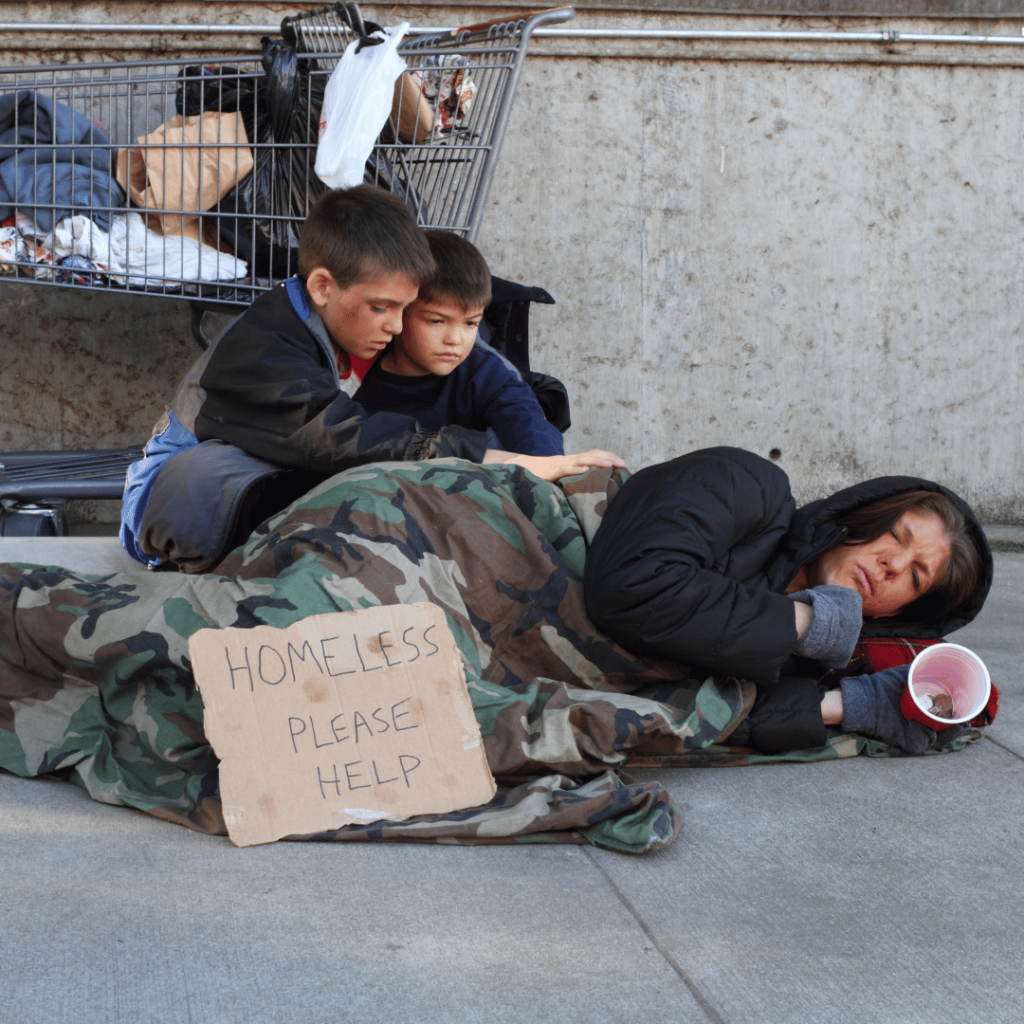
What is the main cause of homelessness in the UK?
There are various reasons cause homelessness, these are generally the most common situations in which people become homeless. While each person’s story is unique, this can result from individual circumstances, there are some factors and social issues contribute to people becoming homeless and explains why people face homelessness. These can be either structural issues or individual circumstances and are often interconnected. The immediate cause of someone’s homelessness can often be put down to a variety of reasons.
- For people becoming homeless the cost of affording a new home was either too high in the private rented sector or felt out of reach because of the enormous length of waiting lists for social housing.
- Short contracts, unfair evictions, and sky-high rents mean people struggle to keep a roof over their head.
- Eviction from a privately rented home is one of the leading causes of homelessness.
- For others who are vulnerably housed, housing shortages and changes to the welfare benefits system can mean that their housing situation is very precarious.
- Changes to housing costs and welfare reforms leading to homelessness and homelessness services have a limited capacity to help.
- Might have reached the end of a privately rented Assured Shorthold Tenancy.
- The cost and shortage of housing can make it difficult to find a new home.
- The constant, strong pressure of high rents and low wages can build up on people.
- A sudden increase in pressure, like falling ill or losing their job, can force them into homelessness.
- The huge shortage of affordable housing across many areas in Britain means that levels of the worst forms of homelessness were already high before the cost-of-living crisis, and many households were trapped in temporary accommodation.
- Many homeless people face personal issues and cannot access support.
- Because of personal problems, bereavement, relationship breakdown or financial strain.
- Poor mental/physical health issues which wider social and economic factors can exacerbate the issue and homelessness is complex, but it is not inevitable.
- Many people who become homeless have traumatic experiences during childhood.
- Sometimes it was sexual or physical abuse; other times it was an unstable environment, such as moving between foster homes.
- For some people, these experiences put them at risk early on.
- Some people we work with say that their early experiences led them to become dependent on drugs or alcohol while still in their teens.
- Leaving care, particularly at a young age or living in unstable temporary accommodation due to abuse a home.
- Their family and friends are no longer able or willing to accommodate/support them.
- We also work with people who may face adult literacy or numeracy, language barriers, feel unconfident in the skills they offer, or don’t recognise their resilience and strengths.
What are different types of homelessness?
Different types of homelessness and some of the legal framework.
Since the Homelessness Reduction Act, every council has had an obligation to submit statutory homelessness figures. These tell us how many households have contacted councils for help with homelessness. The statutory homelessness figures tell us how many households have contacted councils for help with homelessness.
In the year 2019-20 288,470 households were owed assistance from councils in England to prevent or relieve homelessness.
Priority Need
‘Priority need’ is defined as households including those with dependent children, pregnant women, people with disabilities and those threatened with homelessness due to an emergency e.g. a flood, and those who are particularly vulnerable.
Local authorities have a duty to find a home for families or individuals approaching them who fit a ‘priority need’ criteria.
These households are initially offered temporary housing such as private sector housing, nightly paid accommodation or B&Bs.
This should be a precursor to finding a more permanent solution.
Individuals experiencing homelessness, individuals or couples without dependent children who are homeless but don’t meet ‘priority need’ criteria do not qualify for accommodation from their local authority. Many stays in short-term accommodation, such as hostels or supported accommodation provided by homelessness charities, sleep rough or remain hidden. Under the Homelessness Reduction Act 2017, councils have a duty to prevent or relieve the homelessness of all eligible people threatened with homelessness within 56 days.
Emergency accommodation – a place in a shelter or hostel
Longer-term accommodation – independent living or social housing. If possible, you should approach the council you have a local connection to, usually in the area you’ve most recently lived.
Homelessness Reduction Act 2017
Under the Homelessness Reduction Act 2017, councils have a duty to prevent or relieve the homelessness of all eligible people threatened with homelessness within 56 days. Individuals experiencing homelessness, individuals or couples without dependent children who are homeless.