
Support for Children (Young Girls) Experiencing Domestic Abuse
Remember, every child has the right to be safe and protected
Domestic abuse is a serious issue that affects not only the direct victims but also the children who witness it. If you or another family member are being harmed at home, it’s crucial to understand that such behaviour is unacceptable, and help is available.

Like all children, can unfortunately be subjected to various types of abuse. Here are some of the main types:
- Physical Abuse: This involves causing physical harm to a child intentionally, such as hitting, shaking, throwing, poisoning, burning, drowning, or suffocating.
- Emotional Abuse: This type of abuse manipulates or shames a child’s feelings and emotions on purpose. It can involve blaming the child unfairly, ignoring them, or making negative comparisons.
- Sexual Abuse: This involves any sexual activity with a child or inducing a child to act in sexually inappropriate ways.
- Neglect: This is a lack of love, care, and attention, which can have a significant impact on a child’s development.
- Bullying and Cyberbullying: This involves repeated, aggressive behaviour intended to hurt another individual, physically or mentally.
- Child Sexual Exploitation: This involves manipulating or deceiving a child into sexual activity.
- Child Trafficking: This involves recruiting, transporting, transferring, harboring, or receiving a child for the purpose of exploitation.
- Domestic Abuse: This involves witnessing or experiencing abuse in the home environment.
- Female Genital Mutilation (FGM): This involves the partial or total removal of the external female genitalia for non-medical reasons.
- Grooming: This involves building an emotional connection with a child to gain their trust for the purposes of sexual abuse or exploitation.
- Online Abuse: This involves bullying, harassment, or other types of abuse that occur online.
This list is not exhaustive, and abuse can take many forms. If you suspect a child is being abused, it’s important to report it to the local authorities. They can provide the necessary help and intervention.
Impact of Domestic Violence on Children
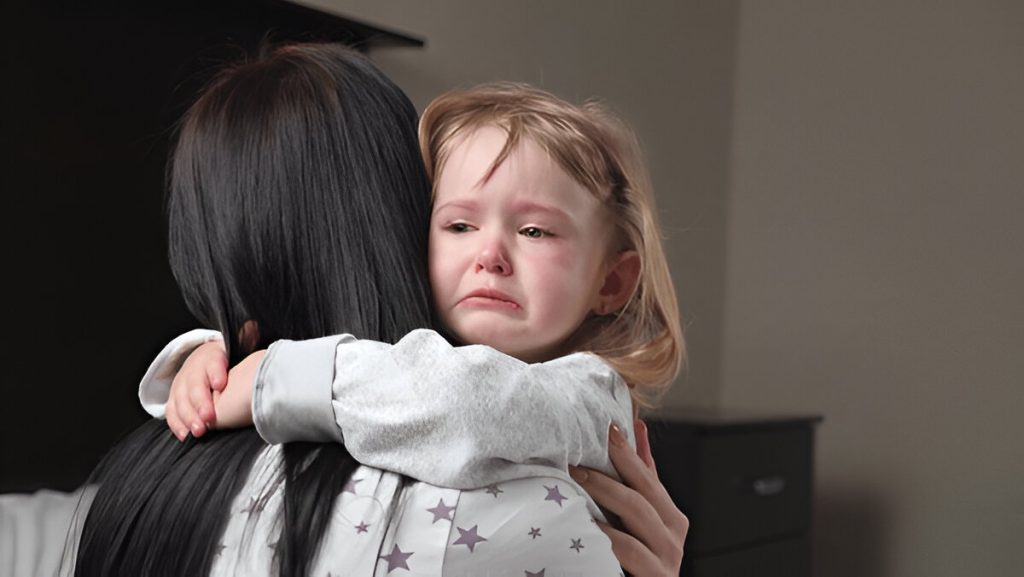
While many children display remarkable resilience in the face of abuse, the physical, psychological, and emotional effects can be severe and enduring. Some children may become withdrawn, struggle with communication, or blame themselves for the abuse.
Safeguarding Your Children from Abuse
Abusive individuals often manipulate children and their contact with them as a means of exerting control. They may attempt to alienate the children from you or threaten to harm them or take them away. This manipulation can persist even after the abusive relationship has ended.
Living in an abusive environment subjects’ children to stress, which can manifest in various ways:
- Withdrawal
- Aggression or bullying
- Tantrums
- Vandalism
- School-related issues, truancy, speech problems, learning difficulties
- Attention-seeking behavior
- Nightmares or insomnia
- Bed-wetting
- Anxiety, depression, fear of abandonment
- Feelings of inferiority
- Substance abuse
- Eating disorders
Our Role in Child Support
Resilience of Children
Children possess an innate resilience that can be nurtured and strengthened. With the right support, they can recover from the trauma of witnessing or experiencing abuse. They can then proceed to lead safe, fulfilling lives, free from the shadow of violence.
Supporting Your Children
Open communication about the abuse they’ve witnessed or experienced is a crucial step in helping children process and cope with their experiences.
- Answer their questions honestly, using age-appropriate language.
- Reassure them that the abuse is not their fault.
- Teach them that abuse is unacceptable.
- Encourage them to express their feelings. Listening and responding with empathy can alleviate the pressure of bottling up emotions.
- Avoid burdening them with adult responsibilities.
- Encourage social interactions to reduce feelings of isolation and boost their confidence.
- Teach them safety measures, like calling 999 for emergency help, but warn them against intervening during an attack.
- Show them that seeking help is a positive step and nothing to be ashamed of.
- Boost their self-esteem with love, praise, and encouragement of their interests.
How STN Supports Children Facing Domestic Abuse
STN’s dedicated child support team plays a crucial role in creating a safe and secure environment for children. Through various activities, children are encouraged to explore their experiences, develop social skills, and form friendships. The team collaborates with health, social care, education, and police services to provide comprehensive support. They also arrange activities, cooking lessons, and art classes, providing respite care for mothers in the refuge. This holistic approach ensures that children affected by domestic abuse receive the necessary support to heal and thrive.
Our support extends beyond our refuges, offering assistance in one-stop shops or safe community locations. We also address health concerns such as frequent illnesses, headaches, mouth ulcers, asthma, and eczema.
Contrary to common misconceptions, children exposed to domestic abuse are not destined to become abusers or victims in their adult relationships. While a violent upbringing is a risk factor, many children, repulsed by the violence they’ve witnessed, reject the idea of resorting to such behaviour in their relationships.