
Sexual Abuse
Sexual abuse is never your fault. You are not alone—and support is available.
Sexual abuse is any sexual act or behaviour that happens without your consent. It can happen to anyone, regardless of age, gender, background, or relationship to the perpetrator. It is a serious violation of your body, your boundaries, and your trust.
Whether the abuse happened recently or years ago—what happened to you matters, and your voice deserves to be heard.

What Is Sexual Abuse?
Sexual abuse includes any unwanted sexual activity, including:
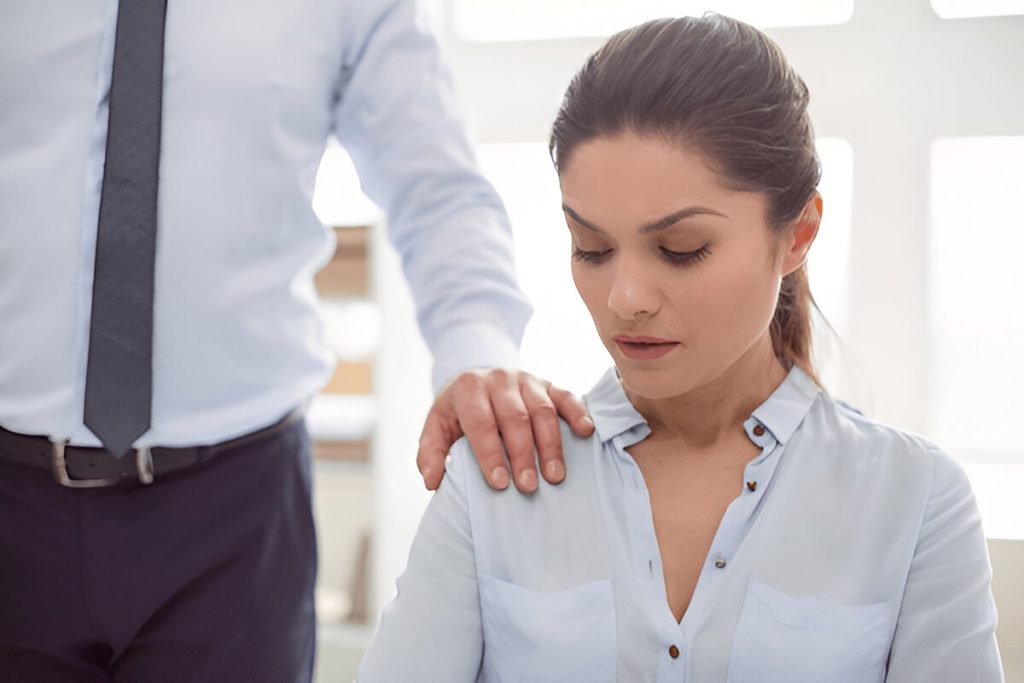
- Touching or groping without consent
- Rape or attempted rape
- Being forced, coerced, or manipulated into sex
- Sexual activity while intoxicated or unconscious
- Being pressured or threatened into performing sexual acts
- Being filmed or photographed without permission
- Being forced to watch pornography or sexual acts
- Sexual exploitation or trafficking
- Child sexual abuse or grooming
- Online sexual harassment, sextortion, or image-based abuse
You do not need to have physically fought back or said “no” for it to be considered abuse. Consent must be freely given, informed, and enthusiastic. Anything else is not consent.
The Impact of Sexual Abuse
Sexual abuse can affect every part of your life—physically, emotionally, and psychologically. You may feel:
- Fear, shame, or guilt
- Numbness or emotional detachment
- Depression, anxiety, or flashbacks
- Anger or confusion
- Difficulty trusting others
- Loss of self-esteem or self-worth
- Changes in eating, sleeping, or relationships
- Physical pain or injury
“For years I didn’t talk about what happened. I thought no one would believe me. When I finally told someone, everything changed—I began to heal.”
— Maria, survivor
There is no ‘right’ way to feel after sexual abuse. Whatever you’re experiencing is valid.
Who Can Be Affected?
Sexual abuse can happen in many contexts:
- Within relationships or marriages
- From strangers, acquaintances, or colleagues
- Within families or by trusted adults
- In institutions or places of worship
- In care settings or while receiving services
- Online, including sextortion, cyberstalking, or revenge porn
Anyone can be a survivor—women, men, non-binary people, LGBTQ+ individuals, disabled people, children and older adults.
.
If You're in Immediate Danger
If you are in danger or need urgent help, call 999 immediately. You can also contact a local sexual assault referral centre (SARC) for medical care, forensic support, and emotional help—even if you don’t want to involve the police.
Steps You Can Take
We understand how difficult it is to reach out—but we are here to listen, believe you, and support you without judgement. Our services include:
- Confidential one-to-one support
- Trauma-informed counselling
- Legal advice and advocacy
- Support with reporting to the police or attending SARC
- Help accessing emergency housing or safeguarding
- Group therapy and survivor networks
You don’t have to decide everything today. We’ll walk with you at your pace.
Support Someone You Know
If someone discloses sexual abuse to you:
- Believe them
- Listen without judgment
- Don’t press for details
- Reassure them it wasn’t their fault
- Encourage them to seek support
- Respect their pace and decisions