Physical Abuse
Abuse is never your fault. You deserve to feel safe in your body and in your home.
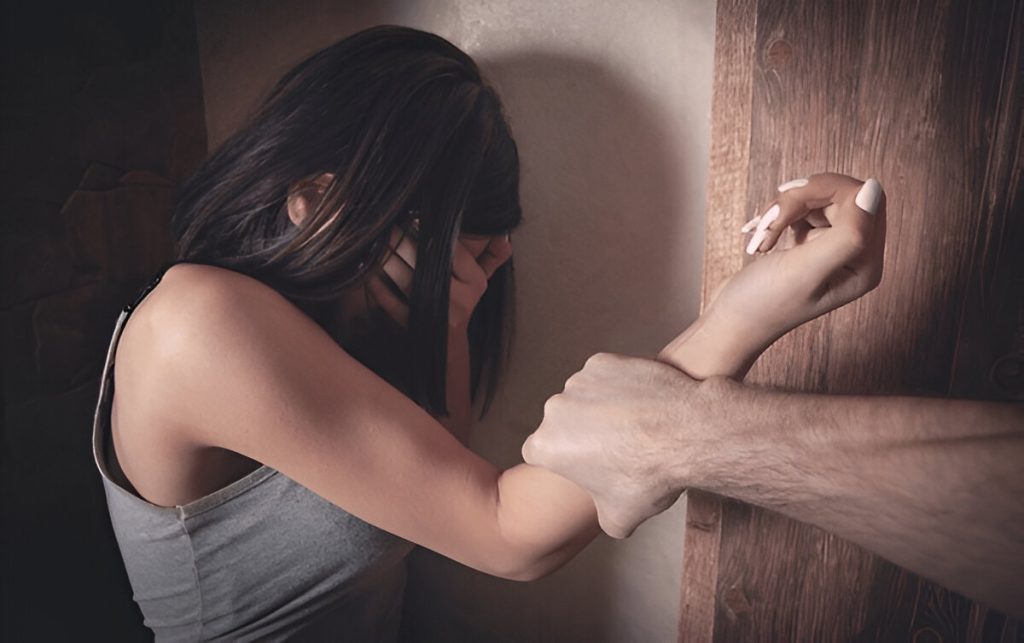
Physical abuse is any intentional act of violence that causes or threatens physical harm. It can include hitting, slapping, choking, restraining, or any form of physical aggression—and it often happens alongside emotional, financial, or sexual abuse.
At STN Women’s Lives Matter, we’re here to support you. If you or someone you know is experiencing physical abuse, you are not alone—and you can get help.
What Is Physical Abuse?
Physical abuse is any use of force intended to control, intimidate, punish, or injure another person. It can happen in romantic relationships, families, caregiving roles, or shared households, and it is always about power and control.
Examples include:
- Hitting, punching, slapping, or kicking
- Choking or strangling
- Pushing, shoving, or grabbing
- Burning or scalding
- Throwing objects at you
- Restraining you physically or locking you in a room
- Using weapons or threatening with objects
- Denying medical treatment or preventing access to help
- Physical intimidation or destruction of property during arguments
You do not need to have visible injuries for it to be abuse. The threat of violence or fear of being hurt is also a form of abuse.
“He said it was just a push. But the bruises kept getting worse—and so did the fear. I was scared to leave, but I was more scared to stay.”
— Layla, survivor
The Impact of Physical Abuse
Physical abuse doesn’t just hurt the body—it deeply affects your mental and emotional wellbeing. Survivors may experience:
- Chronic fear, anxiety, or PTSD
- Shame or self-blame
- Isolation and withdrawal
- Difficulty sleeping or concentrating
- Physical injuries or long-term health problems
- Loss of trust in others
Repeated abuse can escalate over time. What starts as a push or slap may lead to life-threatening violence.
If You Are in Immediate Danger
Call 999 if you or someone else is in danger. You can also:
- 📲 Text 999 if you are deaf, hard of hearing, or unable to speak (register your phone in advance)
- 🧑⚕️ Speak to a trusted GP, health worker, or teacher
- 🛏️ Visit pharmacies or hospitals that offer Safe Spaces
Never underestimate the risk. Your safety matters.
Signs You May Be Experiencing Physical Abuse
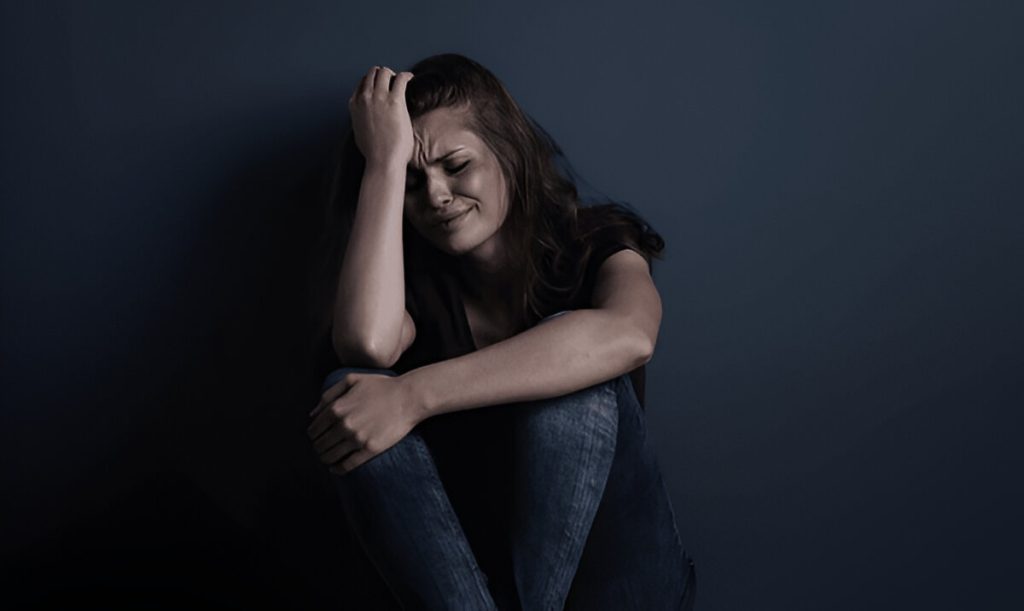
👣 Signs You May Be Experiencing Physical Abuse
Ask yourself:
- Are you afraid of your partner or someone in your household?
- Do you hide injuries or make excuses for them?
- Have you been stopped from seeking medical help?
- Do they hurt you when they’re angry—or blame you afterward?
- Have they threatened to hurt you, your children, or your pets?
If you answered yes to any of the above, you may be experiencing abuse—and you deserve support.
How We Can Help
We offer confidential, free, and compassionate support to anyone experiencing physical abuse. Our team can help you:
- Create a safety plan tailored to your needs
- Access emergency accommodation or refuge
- Receive legal advice and protective orders
- Get medical and trauma-informed emotional support
- Speak to counsellors, advocates, and peer support groups
We work with you at your pace. Whether you’re ready to leave or just want to talk—we are here.
You don’t have to wait until it gets worse. You can get help today.
📣 Help Someone You’re Worried About
If someone you know may be experiencing physical abuse:
- Let them know you’re there for them
- Don’t pressure them to leave—focus on their safety
- Avoid judging or criticising their choices
- Help them find professional support or a safe place
- Offer to go with them to appointments if they feel scared