
Female Genital Mutilation (FGM)
FGM is abuse. It’s illegal. And it has no place in any community.
Female Genital Mutilation (FGM) is a harmful practice involving the partial or total removal of external female genitalia, or injury to the female genital organs, for non-medical reasons. It is often carried out without consent, under pressure, and by individuals who are not medically trained.
FGM is a form of gender-based violence, a violation of human rights, and a criminal offence in the UK. If you or someone you know is affected by FGM, you are not alone—and support is available.
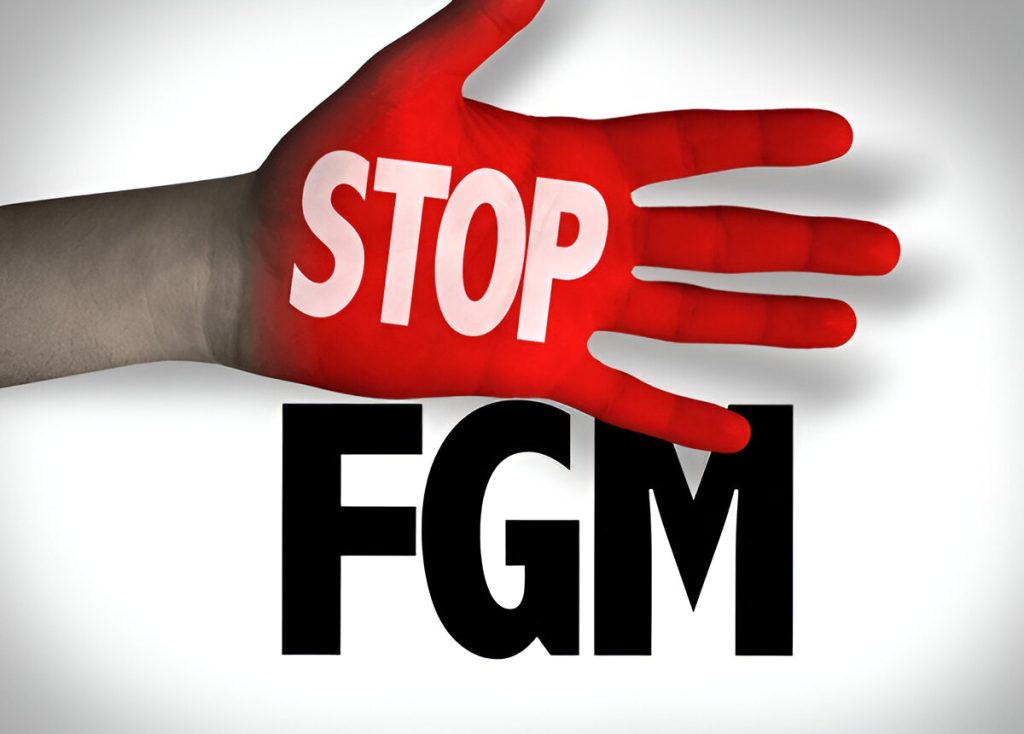
What Is FGM?
FGM involves procedures that intentionally alter or cause injury to female genital organs for cultural, social, or religious reasons—but never for health reasons.
It is extremely painful and can cause:
- Constant or severe pain
- Difficulty with sex, urination, or menstruation
- Complications in pregnancy or childbirth
- Long-term trauma, anxiety, depression, and PTSD
- Life-threatening infections or bleeding—especially when done by non-professionals
FGM is most often carried out on girls between infancy and adolescence, and it may happen in the UK or abroad—sometimes without the child even understanding what is being done to her.
FGM and the Law
FGM is illegal in the UK. It is a criminal offence to:
- Perform FGM on a woman or girl
- Help, encourage, or assist someone to perform FGM
- Take a girl or woman abroad to undergo the procedure
- Pressure or encourage a girl to perform FGM on herself
- Fail to protect a girl known to be at risk of FGM
The law also applies if FGM is performed on a UK national or resident outside of the UK. Anyone found guilty can face up to 14 years in prison.
“I was only 10. I didn’t understand what was happening, only that it hurt and no one spoke about it again. Years later, I found support—and finally started to heal.”
— Amina, survivor
The Impact of FGM
FGM affects every part of a woman or girl’s life—physically, emotionally, and socially. Survivors may experience:
- Pelvic or sexual pain
- Infection, infertility, or cysts
- Difficulties during childbirth
- Flashbacks, nightmares, and anxiety
- Shame, isolation, and silence
The trauma of FGM can last a lifetime—but with the right support, healing is possible.
Why FGM Happens
FGM is often upheld through:
- Cultural or traditional beliefs
- Pressure from family or community
- Control over female sexuality
- Misconceptions about hygiene or purity
- False religious justifications
FGM is not required by any religion. Culture is not an excuse for abuse.
If You or Someone You Know Is at Risk
If you suspect a girl is at immediate risk of FGM, or if someone is being pressured to undergo the procedure:
- Call 999 in an emergency
- Contact the NSPCC FGM Helpline: 0800 028 3550 (anonymous & confidential)
- Speak to a GP, teacher, midwife, or social worker—they have a legal duty to act
- If you’re under 18, contact Childline at 0800 1111
Raising the alarm could save someone’s life. You do not have to be certain—just concerned.
Support for FGM Survivors
If you have experienced FGM, it is not your fault. You are entitled to support, respect, and care.
Our services include:
- Confidential one-to-one support
- Trauma-informed counselling
- NHS FGM clinic referrals
- Legal support and advocacy
- Peer support groups
- Information on health, fertility, and childbirth
We are here to help you reclaim your body, your voice, and your future.
You are brave. You are believed. You deserve to live without fear.
Education, Training & Community Outreach
We work with:
- Schools and youth services
- Healthcare and safeguarding professionals
- Faith and community leaders
- Parents and carers
Our aim is to educate, prevent, and protect. If your organisation would like training or resources on FGM prevention and survivor support, please get in touch.