Elder Abuse
Everyone has the right to live with dignity, safety, and respect—at any age.
Elder abuse is any act that causes harm or distress to an older person, often committed by someone they know and trust—such as a partner, family member, caregiver, or health professional. Abuse can happen in someone’s own home, in residential care, or in the community.
It is never acceptable, and it is never your fault.
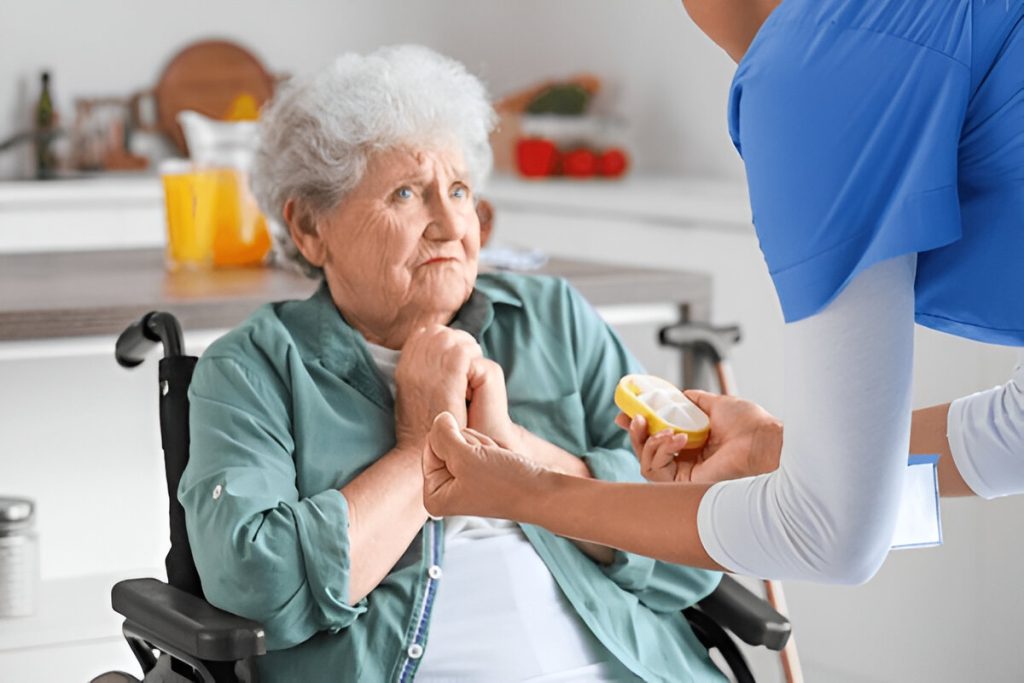
What Is Elder Abuse?
Elder abuse can be:
- Physical – hitting, pushing, inappropriate restraint
- Emotional – bullying, threats, name-calling, manipulation
- Financial – theft, fraud, misuse of pensions or benefits
- Neglect – failure to provide basic needs like food, medication, hygiene or warmth
- Sexual – any non-consensual sexual activity or inappropriate touching
- Institutional – poor or abusive practices in care homes, hospitals or services
- Digital – online scams, manipulation or control using technology
It often involves a misuse of power, dependency, or trust—and it can happen gradually or over a long period of time.
Examples of Elder Abuse
- A carer withholding medication or rough handling
- A family member pressuring an older person to transfer money or property
- Ignoring personal hygiene needs or leaving someone in soiled clothes
- Isolating someone from their friends, faith group or social activities
- Dismissing medical concerns or gaslighting (“You’re confused again”)
- Preventing someone from using their phone, bank card, or mobility aids
- Forcing an older person into unwanted care arrangements or decisions
- Exploiting technology to monitor or restrict communication
“He made me feel like I was a burden. If I disagreed, he’d stop bringing my food. I thought I didn’t have a choice anymore.”
— Patricia, 78, survivor of carer abuse
Warning Signs of Elder Abuse
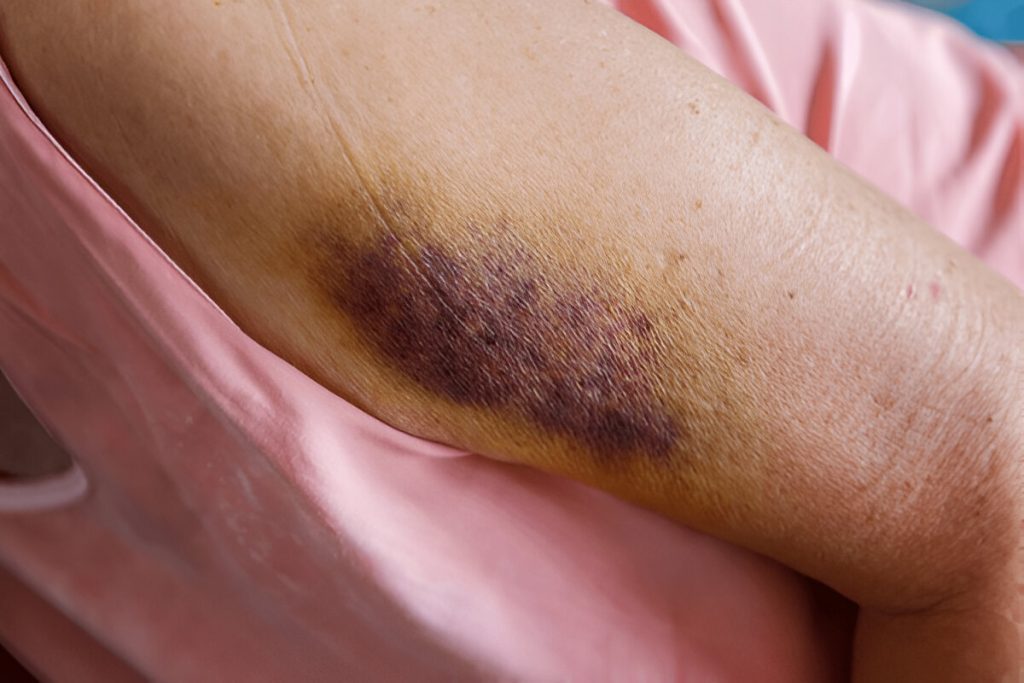
- Unexplained bruises, burns, or injuries
- Withdrawal, anxiety, or depression
- Unpaid bills or sudden changes in finances
- Poor hygiene, weight loss, or dehydration
- Fearfulness around certain people
- Changes to a will, bank account, or property
- Staff or family members not allowing private visits or calls
- A sense that something “feels off” or isn’t right
If something doesn’t feel right, it probably isn’t. Trust your instincts.
Legal Protections
Elder abuse is a violation of human rights and is recognised under UK safeguarding laws, including:
- Care Act 2014 (England) – Duty to protect adults at risk of harm or neglect
- Safeguarding Vulnerable Groups Act 2006
- Human Rights Act 1998
- Domestic Abuse Act 2021 – Applies to those aged 16 and over
You have the right to be safe, and those responsible for harm can be held accountable.
Barriers Older People Face
Many older people do not report abuse because they:
- Rely on the abuser for care or housing
- Are afraid of being placed in a home or losing independence
- Don’t want to “get someone in trouble”
- Fear not being believed or understood
- Feel shame, guilt, or confusion
- Are unaware of their rights or the support available
No one should have to suffer in silence. Support is available.
How We Help
We offer compassionate, confidential support for older people experiencing abuse. We can:
- Help you create a safety plan or access safe accommodation
- Advocate on your behalf with family, services, or authorities
- Support you to access benefits, housing, or care support
- Help you report abuse and understand your rights
- Connect you with counselling or specialist elder support services
- Provide culturally appropriate and disability-accessible resources
We also support friends, neighbours, and professionals who are worried about someone.
If someone is in immediate danger, call 999.
For Professionals and Carers
We offer training and safeguarding support for:
- Home care staff
- Residential and nursing homes
- GPs and health professionals
- Housing teams and social services
- Faith groups and community organisations
Topics include: spotting signs of elder abuse, trauma-informed care, responding to disclosures, and improving dignity in care.
You Are Not Alone
Age should never be a reason for silence or suffering. Whether you’re a survivor or someone who is concerned, we’re here to listen and help.
Let’s build a society where every older person is safe, respected, and empowered.