
Online abuse is real abuse. Let’s call it out.
Cyberbullying is the use of technology—like social media, messaging apps, gaming platforms, or emails—to harass, intimidate, shame, or target someone. It can happen to anyone, at any age, and the effects can be devastating.
Just because abuse happens online doesn’t make it any less serious. If it’s meant to hurt, control, or humiliate—it’s abuse.

What Is Cyberbullying?
Cyberbullying includes:
- Sending threatening or abusive messages
- Sharing humiliating photos or videos without consent
- Spreading rumours or lies online
- Creating fake profiles to harass or impersonate someone
- Repeatedly messaging or tagging someone who doesn’t want contact
- Public shaming or “pile-ons” in comment sections or forums
- Using gaming chats to mock, intimidate, or exclude players
Where Cyberbullying Happens
Cyberbullying can happen anywhere you go online, including:
- Social media (Instagram, TikTok, Snapchat, Facebook, Twitter/X)
- Messaging apps (WhatsApp, iMessage, Messenger)
- Online games and voice chats (e.g. Xbox Live, PlayStation Network)
- School forums or work platforms (Teams, Zoom, Google Classroom)
- Emails, websites, or anonymous forums (Reddit, Discord)
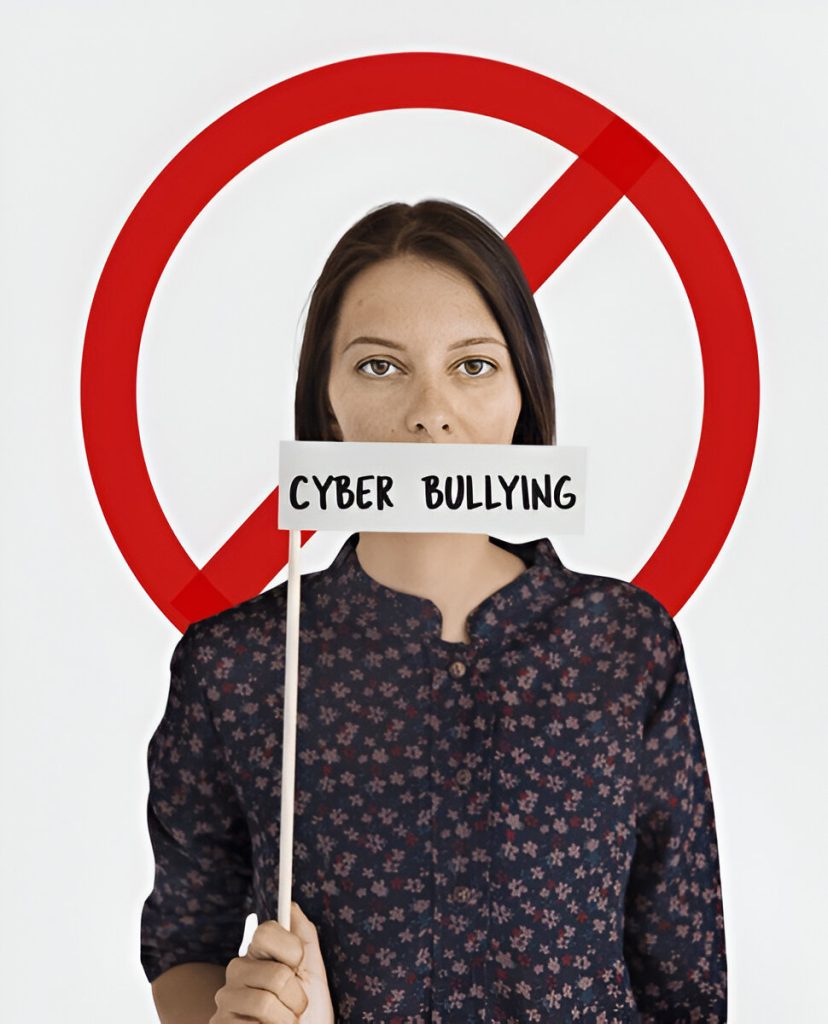
The Impact of Cyberbullying
Cyberbullying may be invisible—but its impact is very real. It can lead to:
- Anxiety, depression, and low self-esteem
- Withdrawal from school, work, or social activities
- Sleep issues or changes in appetite
- Self-harm or suicidal thoughts
- Long-term trauma and trust issues
“It wasn’t just one comment—it was every day. They created fake profiles to humiliate me. I felt like I couldn’t escape.”
— Amina, 16
Is It a Crime?
In the UK, cyberbullying can be considered a criminal offence under laws including:
- Malicious Communications Act 1988
- Communications Act 2003
- Protection from Harassment Act 1997
- Online Safety Act 2023
If someone is threatening you, harassing you repeatedly, or sharing private images without consent—it’s not just wrong, it may be illegal.
What You Can Do
If You’re Being Cyberbullied:
- Don’t respond to hurtful messages or trolls
- Take screenshots of abusive content
- Block or mute the person bullying you
- Report the abuse to the platform (e.g., TikTok, Instagram)
- Talk to someone you trust—a parent, teacher, friend, or helpline
- Contact the police if you feel unsafe or threatened
Helpful Tools:
- NSPCC / Childline (under 19s): 0800 1111
- The Mix (for under 25s): 0808 808 4994
- Report Harmful Content: reportharmfulcontent.com
- UK Safer Internet Centre: saferinternet.org.uk
Parents, Teachers, and Employers
Cyberbullying isn’t just a teenage issue. It affects adults too—especially in workplaces, online forums, and public-facing roles.
Support those affected by:
- Taking reports seriously
- Creating safe spaces to talk
- Educating teams on digital respect and safety
- Signposting to support services or mental health help
- Reporting serious abuse to IT departments or authorities
Let's Build a Safer Internet for Everyone
Whether it’s a cruel comment, targeted exclusion, or sharing harmful content—cyberbullying causes real harm. But we can fight back with compassion, boundaries, and action.
No one deserves to be bullied—online or offline