Child Abuse: Recognise, Respond, Protect
Every child deserves to grow up in a safe, nurturing environment—free from fear, harm, or neglect.
Unfortunately, many children experience abuse at the hands of those they trust most. Child abuse can take many forms and is never the child’s fault. It is a serious crime and a violation of a child’s human rights.
At STN Women’s Lives Matters, we are committed to raising awareness, supporting survivors, and empowering communities to protect children.
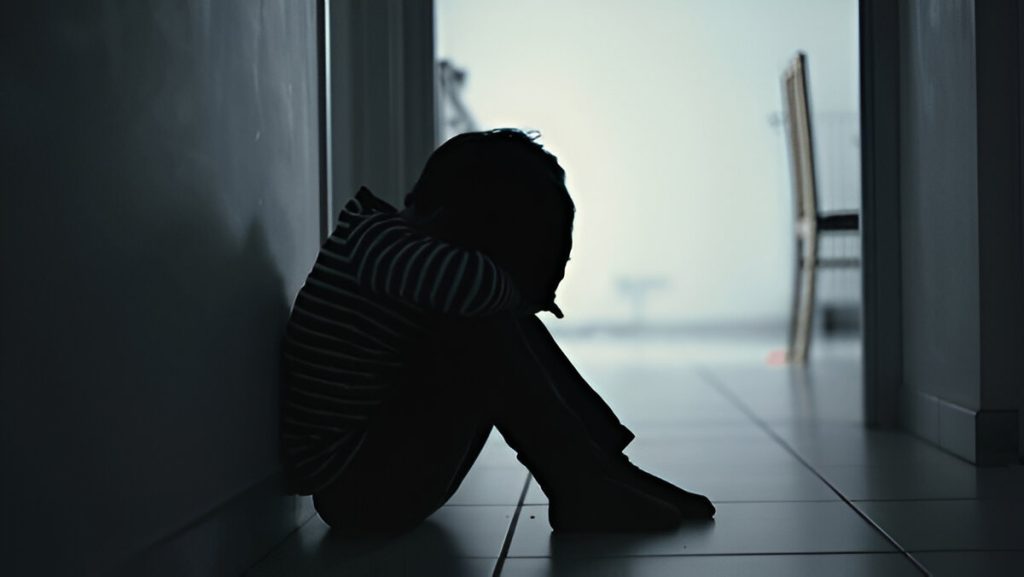
What Is Child Abuse?
Child abuse refers to any action (or lack of action) that harms, endangers, or exploits a child. Abuse can happen anywhere—at home, school, online, or in care settings. It may be a one-off incident or a repeated pattern of behaviour.
Abuse may come from parents, carers, relatives, teachers, family friends, or strangers.
Types of Child Abuse
- Physical Abuse
Deliberate harm to a child’s body. This includes hitting, kicking, burning, shaking, biting, or using excessive force. Warning signs may include unexplained bruises, injuries in different stages of healing, or fearfulness around adults.
- Emotional or Psychological Abuse
Persistent emotional maltreatment that impacts a child’s wellbeing. This includes constant criticism, humiliation, isolation, or rejection. It can damage a child’s sense of self-worth and emotional development.
- Sexual Abuse
Any sexual activity forced on a child—including touching, penetration, or exploitation through grooming, images, or online activity. Children may not always understand what is happening or may be afraid to tell anyone.
- Neglect
The ongoing failure to meet a child’s basic needs, such as food, clothing, shelter, medical care, supervision, or emotional affection. It is the most common form of child abuse in the UK.
- Child Sexual Exploitation (CSE)
When a child is manipulated or forced into sexual activity in exchange for money, gifts, protection, or status.
- Online Abuse
Abuse that takes place over the internet, including cyberbullying, grooming, and exposure to harmful content or exploitation via gaming, social media, or messaging apps.
- Child Trafficking
Forcing or tricking a child into being moved for the purpose of exploitation (e.g., sexual exploitation, labour, criminal activity).
Effects of Child Abuse
The impact of abuse can last a lifetime. It may cause:
Low self-esteem and confidence
Anxiety, depression, or PTSD
Self-harm or suicidal thoughts
Difficulty forming relationships
Academic struggles or school refusal
Aggressive or withdrawn behaviour
Children may not always speak out, but there are often signs that something is wrong.

Signs a Child May Be Abused
- Fear of going home or being alone with a specific adult
- Sudden behaviour changes (withdrawal, aggression, anxiety)
- Poor hygiene or frequent hunger
- Running away from home
- Inappropriate sexual knowledge or behaviour
- Unexplained injuries
- Lack of supervision or consistent absences from school
How We Help
Our organisation offers child-focused, trauma-informed services including:
- Safeguarding advice for families, schools, and professionals
- Counselling and therapeutic support for children and young people
- Advocacy and legal advice
- Support for non-abusing family members
- Training for professionals on child protection
If You’re Worried About a Child
If you suspect that a child is being abused or neglected:
- Call the NSPCC Helpline on 0808 800 5000 (free, confidential, anonymous)
- If a child is in immediate danger, dial 999
- Talk to a teacher, GP, or safeguarding officer
- You do not need proof—your instincts might save a life
A Survivor’s Voice
“I was scared to speak up. But once someone listened, I finally felt seen. I’m healing now—and I know I didn’t deserve what happened.”
— Leah, survivor of childhood abuse
You Are Not Alone
Abuse is never a child’s fault. Support is available for children, families, and adults who were abused in childhood. Healing is possible—and every child deserves a life free from fear.
Let’s protect children—together.