
Disability and Domestic Abuse
Everyone deserves to feel safe, respected, and supported—regardless of ability.
Disabled people are more likely to experience domestic abuse than non-disabled people—and often face greater barriers to getting help. Abuse may come from a partner, family member, carer, or support worker, and can take many forms: physical, emotional, sexual, financial, or coercive control.
At STN Women’s Lives Matter, we are committed to providing inclusive, accessible support for all survivors. You are not alone—and support is here for you.

What Abuse Can Look Like for Disabled People
In addition to more widely recognised forms of abuse, disabled women may experience abuse that directly exploits their disability or health condition. This can include:
- Withholding, hiding, or destroying mobility aids or medical equipment (e.g. wheelchairs, hearing aids)
- Preventing access to medication, overmedicating, or changing medication without consent
- Refusing help with essential care needs such as dressing, eating, or using the toilet
- Blocking or sabotaging access to medical appointments, therapy, or benefit assessments
- Stealing disability-related income (such as PIP or carer’s allowance)
- Sexual abuse disguised as “care” (e.g. touching during bathing or dressing, demanding sex in exchange for care)
- Verbal abuse targeting your disability (e.g. calling you “useless” or “stupid”)
- Threats to institutionalise you or call social services
- Using communication or sensory impairments against you (e.g. refusing to interpret sign language)
- Isolating you from support workers, friends, or community groups
“He told me if I reported him, I’d be institutionalised and lose my PIP. I believed him—until I got support and found out my rights.” — Maya, survivor with a visual impairment
Barriers Disabled Survivors May Face
Disabled survivors often experience unique challenges when trying to leave an abusive situation or access services, such as:
- Lack of physically accessible or sensory-friendly refuges and services
- Limited or no access to BSL interpreters, Easy Read materials, or alternative communication formats
- Fear of losing care, mobility support, or independence
- Isolation from support networks and over-reliance on the abuser
- Disbelief or dismissal by professionals, including infantilisation
- Inaccessible housing or emergency accommodation
- Fear of being seen as a “burden” or fear of being misunderstood
No one should have to choose between safety and survival.
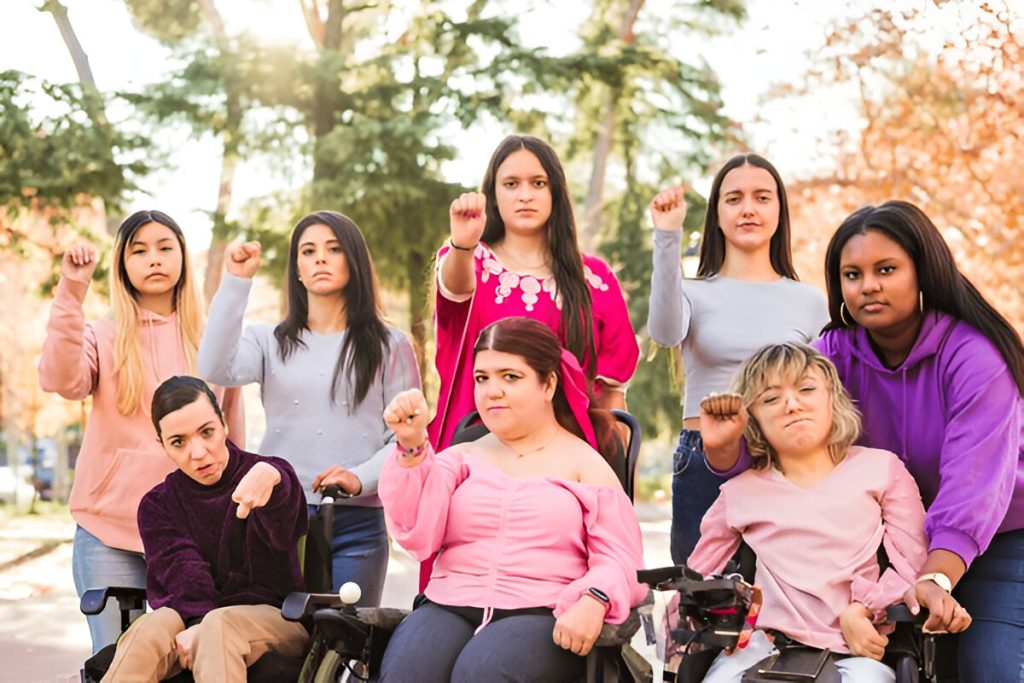
How We Support Disabled Survivors
We provide tailored, trauma-informed, and accessible support to meet your individual needs. Our services include:
- Creating personalised safety plans that respect your access needs
- Support with accessing emergency accommodation, housing advocacy, and safe transport
- Legal advice, support applying for protection orders, and court accompaniment
- Connecting you with disability rights advocates, benefit advisors, and care coordinators
- Access to inclusive counselling and mental health services
- Use of BSL interpreters, Easy Read materials, and communication aids as required
We also work in partnership with disability and safeguarding organisations to ensure no one is left behind.
“I thought I couldn’t live without my carer. Now I know I never needed abuse disguised as care.”— Jane, wheelchair user and survivor
If You’re in Immediate Danger
Call 999 if you are in danger or need urgent help. If you’re deaf or hard of hearing, you can text 999 after registering with the emergency SMS service.