
Isolation as a Form of Abuse
Abuse isn’t always physical. Isolation is a powerful and controlling tactic used to cut you off from support, freedom, and independence.
At STN Women’s Lives Matters, we recognise that isolation is one of the most damaging and subtle forms of domestic abuse. If someone is preventing you from seeing people, going places, or having your own life—you are not alone, and help is available.

What Is Isolation?
Isolation is when someone deliberately limits your contact with others, your access to support, or your ability to live freely and independently. It’s a common part of coercive control and is often used to increase your dependence on the abuser.
This tactic may be subtle at first—disguised as “love,” “protection,” or “concern”—but over time, it can become overwhelming and deeply harmful.
Signs of Isolation in an Abusive Relationship
You may be experiencing isolation if someone:
- Stops you from seeing or speaking to friends and family
- Monitors or limits your phone calls, texts, or social media use
- Prevents you from attending work, school, college, or social events
- Moves you away from your support networks or home community
- Reads your messages or controls who you’re allowed to speak to
- Tells you that others don’t care about you or are against you
- Insists on going everywhere with you or forbids you from going out alone
- Refuses to help you access transport, technology, or childcare
- Destroys or hides your phone, ID, or access to the internet
“I didn’t realise how isolated I’d become. It started with him asking me to stay home more. Then I wasn’t allowed to see my friends, and eventually, even my mum. I had no one left—except him.”
— Amira, survivor of coercive control
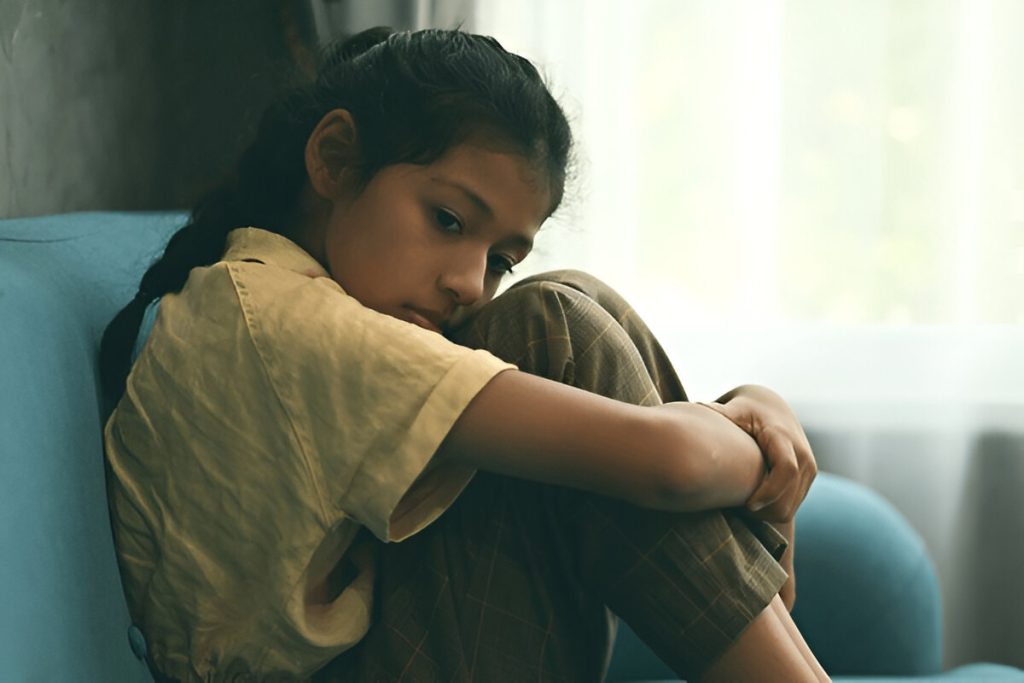
Why Is Isolation So Harmful?
Isolation often leaves victims feeling:
- Alone, trapped, or helpless
- Dependent on the abuser for everything
- Too afraid or ashamed to reach out
- Unable to recognise that what’s happening is abuse
- Cut off from people who could help or support them
It is a deliberate strategy used to reduce your ability to seek help, gain perspective, or find a way out.
Is It Illegal?
Yes. Under UK law, coercive or controlling behaviour—including isolation—is a criminal offence (Serious Crime Act 2015). You have the right to:
- Seek protection through the police and courts
- Apply for a Non-Molestation Order or Occupation Order
- Access support services and emergency accommodation
- Reconnect with support safely, even if someone tries to stop you
How We Can Help
At STN Women’s Lives Matters, we offer safe, confidential support to help you rebuild your connections, regain your independence, and find your freedom.
We can support you to:
- Reconnect safely with friends, family, or services
- Access safe housing or refuge accommodation
- Get help with transport or assistive technology
- Receive counselling or mental health support
- Explore education, training, or employment options
- Create a personalised safety plan
- Use live chat, BSL interpreters, or translated materials
We work with specialist services to ensure support is accessible, inclusive, and tailored to your needs.
Are You in Immediate Danger?
If you are in danger or feel unsafe, please call 999. If you can’t speak, press 55 after the call connects to access silent support.
For non-emergency help:
- National Domestic Abuse Helpline (24/7): 0808 2000 247
You Are Not Alone
Abuse thrives in silence and isolation—but freedom begins with connection. Whether it’s the first time you’re reaching out or you’ve tried before, we’re here to listen, support, and help you take your next step.
Reach out today. You deserve to be safe, seen, and supported.