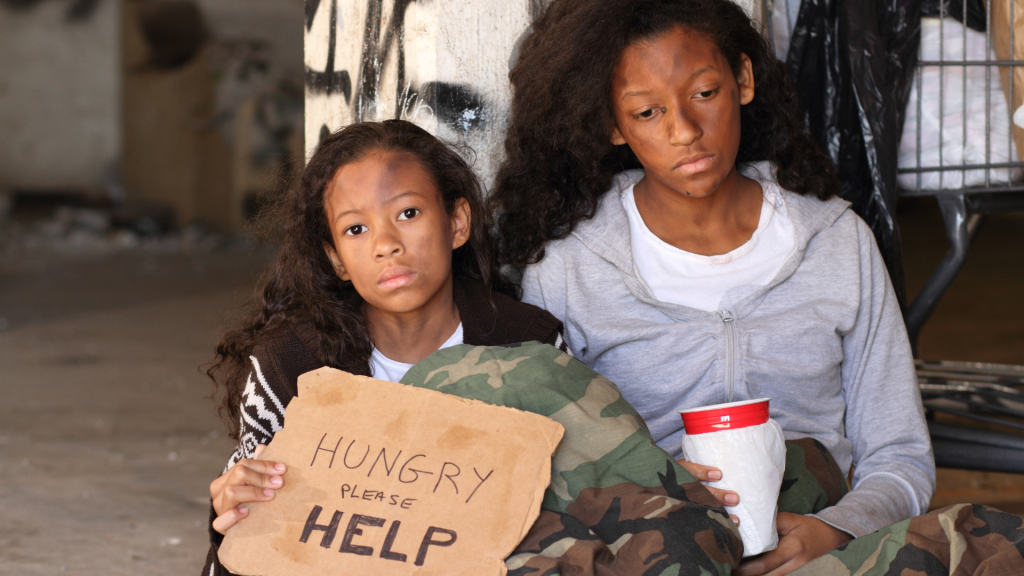
Homelessness is a multifaceted issue that affects individuals in various ways, often hidden from society. It extends beyond the image of people sleeping rough on the streets to include those in unstable accommodations like sofa-surfing, hostels, and temporary housing. This growing problem is devastating, dangerous, and isolating, but it is also solvable. Everyone deserves a stable home to live a healthy life and realise their potential.
What Does It Mean to Be Homeless?
Homelessness isn’t confined to sleeping rough; it also includes living in unstable conditions such as:
Sofa-Surfing: Moving between friends’ or relatives’ houses without permanent accommodation.
Hostels and B&Bs: Staying in temporary lodgings.
Other Temporary Homes: Living in various short-term housing situations.
Rough Sleeping
Rough sleeping is the most visible and extreme form of homelessness. Individuals sleep outside on streets or in unsuitable places like stairwells, stations, cars, doorways, parks, or bus shelters. These people often face complex physical and mental health challenges, including addiction, making it incredibly hard to escape this harsh and isolating way of life. Rough sleepers account for less than 1% of the homeless population, but their plight is severe, with the average life expectancy being just 44 years for men and 42 years for women.
The Hidden Homeless
Many who experience homelessness aren’t counted in official statistics. They may be:
Sofa-Surfing: Temporarily staying with friends or family.
Living in Hostels or Squats: Staying in insecure and unsuitable accommodations.
Hidden from View: Not visible on the streets or included in official records.
Young people, in particular, often fall into this category, living in temporary or unsafe conditions without a support network or the life skills to seek help. This hidden homelessness leaves them vulnerable to exploitation and mistreatment.
Statistics and Current Situation
Rough Sleepers: In March 2023, 2,447 people were estimated to be sleeping rough on a single night, marking a 16% increase from December 2022 and a 35% rise from the previous year.
Temporary Accommodation: In 2019-20, 288,470 households in England sought assistance to prevent or relieve homelessness.
Hidden Homelessness: In 2020, 227,000 households experienced the worst forms of homelessness, including sofa-surfing and rough sleeping.
Causes of Homelessness
Homelessness can result from a combination of structural issues and individual circumstances, including:
High Housing Costs: Difficulty affording a new home in the private sector or long waits for social housing.
Evictions: Short contracts, unfair evictions, and high rents lead to housing instability.
Welfare Reforms: Changes to benefits and housing costs can push people into homelessness.
Personal Issues: Bereavement, relationship breakdown, financial strain, and poor mental or physical health.
Childhood Trauma: Early experiences of abuse or unstable environments increase the risk of homelessness later in life.
Types of Homelessness
Priority Need: Households with dependent children, pregnant women, people with disabilities, or those facing emergencies are considered priority need. Local authorities have a duty to find housing for these individuals.
Emergency Accommodation: Shelters or hostels provide immediate relief, while longer-term solutions include social housing or independent living. Local councils are mandated to help eligible individuals under the Homelessness Reduction Act 2017.
Impact of Homelessness
Physical Health: Homeless individuals often face severe health issues, with life expectancy significantly lower than the general population. They are more likely to suffer from chronic diseases and face barriers to accessing healthcare.
Mental Health: Over 40% of homeless people struggle with mental health issues, often exacerbated by their living conditions. Lack of adequate treatment and support further complicates their situation.
Young People: Homelessness severely impacts young people’s physical and mental health. Without adequate support, the consequences can be catastrophic, including feelings of worthlessness, mental health issues, and substance abuse.
Support and Prevention
Comprehensive Support: Support includes emergency and long-term accommodation, mental health counseling, and assistance with housing and financial support. Educational programs, job training, and life skills development are also crucial.
Financial Advice: Advisory organisations like Citizen’s Advice, Step Change, and Money Helper can assist with rent payment concerns and provide debt management plans.
Housing Crisis Intervention: Contacting local councils, banks, and organisations like Shelter can provide essential support during housing crises.
Conclusion
Homelessness is a complex issue influenced by various social, economic, and personal factors. Understanding and addressing these factors through comprehensive support, legal protection, and public awareness is crucial to ending homelessness and ensuring everyone has a stable and secure home.
We use cookies to ensure that we give you the best experience on our website. If you continue to use this site we will assume that you are happy with it.